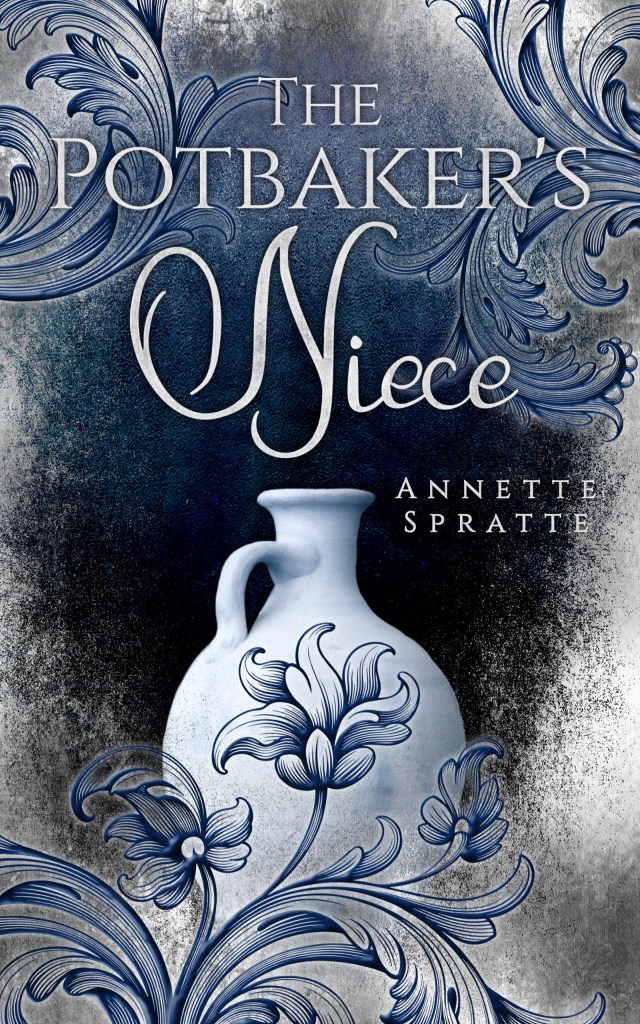
Westerwald, Germany, in the middle of the 17th century
13-year-old Johanna has lost her entire family to the plague. All she has left is an unknown uncle who works as a potter in the potbakers‘ land. To survive the commotion of the Thirty Years’ War, her neighbor dresses her up as a boy. Johanna enjoys the new freedom she experiences along the way, and the opportunity to become a potter apprentice appeals to her. She keeps the truth from her uncle and soon shows an unusual talent as well as an unequalled passion. Will she be able to keep up the deception in a man’s world?
This is a story full of hope, despite depicting the horrors of one of the darkest chapters in European history. The Thirty Years’ War erased nearly half of the German population due to the fighting and plundering as well as starvation and the plague. Entire villages vanished from the face of the earth. It seems miraculous that in these trying times the art of pottery bloomed. Well researched right at the heart of the ‘Kannenbäckerland’, the potbakers’ land in the Midwest of Germany, Johanna’s tale will show readers colorful details of an old craft as well as taking them on an emotional rollercoaster ride.
Readers‘ Voices
„This historical adventure story is set in 17th century Germany, but the themes are universal. It’s part adventure and part a coming-of-age romance.
Warning: The beginning is grim and tough, but it soon becomes joyous and challenging as the teenage heroine finds her footing and seeks out a better life with unknown relatives she hopes will take her in.
The author is German, and it shows in all the rich details of small village life in 17th century Germany (autumn harvests, bumping along the rutted roads on the way to the market, village festivals, etc.) It’s got a healthy dose of spiritual themes as the heroine, who has lost her faith, gradually learns to accept the tragedies of her life and joyfully finds God again.
I found this book to be very different from most Christian fiction published in America. It is a little more gritty, but fast-paced and brimming with suspense. I thoroughly enjoyed it. It is the kind of novel that stuck with me long after I finished the book.“ – Elizabeth Camden –
„Annette Spratte is pure magic. When I read her books, which, by the way, I never read historical books, I am so deeply immersed in the story that it is truly like living another life. Though I adored Silent Maid, this one has quickly moved to the top of the list. The research and connection to the people and culture is beyond amazing. Like I said, pure magic. I had no idea this war had even existed, and yes, it’s brutal, but I would rather have the facts and reality than be painted into a picturesque world of make believe. Give me the heartache and struggle make me feel her pain and helplessness, because in those moments, we don’t just learn about the characters, we learn about ourselves. My husbands grandmother was a potter and we lost her last year. This book brought back all the smells and sounds, the struggle for perfection, all of it. It was like having a bit of her back again. Such an incredible book. I read it on kindle unlimited and then I bought the paperback because I felt so close to the characters, I needed my friends on the shelf. I loved the love, the family, the history, the pottery, all of it. Pure magic on every page. By all means, read it.“ – Nellie K. Neves –
„The resilience of the niece was what I found incredible. Learning how clay cups and dishes were made in the 1600s was very interesting. All in all, this was a very enjoyable book, and it is the first book I’ve read twice.“ – Scott Groff –
Background Information
A lot of research went into this novel because the whole process of creating pottery without electricity fascinated me deeply. Can you imagine heating a kiln to a roaring 1200°C / 2192 °F with wood alone? Crucial to my research was a visit to the ceramics museum in Höhr-Grenzhausen, where I was able to admire original 17th century jugs and vases. It blew my mind. Below are some pictures so that you will know what the things Johanna created might have looked like.
Even today, clay from the Westerwald is exported worldwide due to its high quality.
The stunning cover for The Potbaker’s Niece was created by Florin Sayer-Gabor, alias 100covers4you.
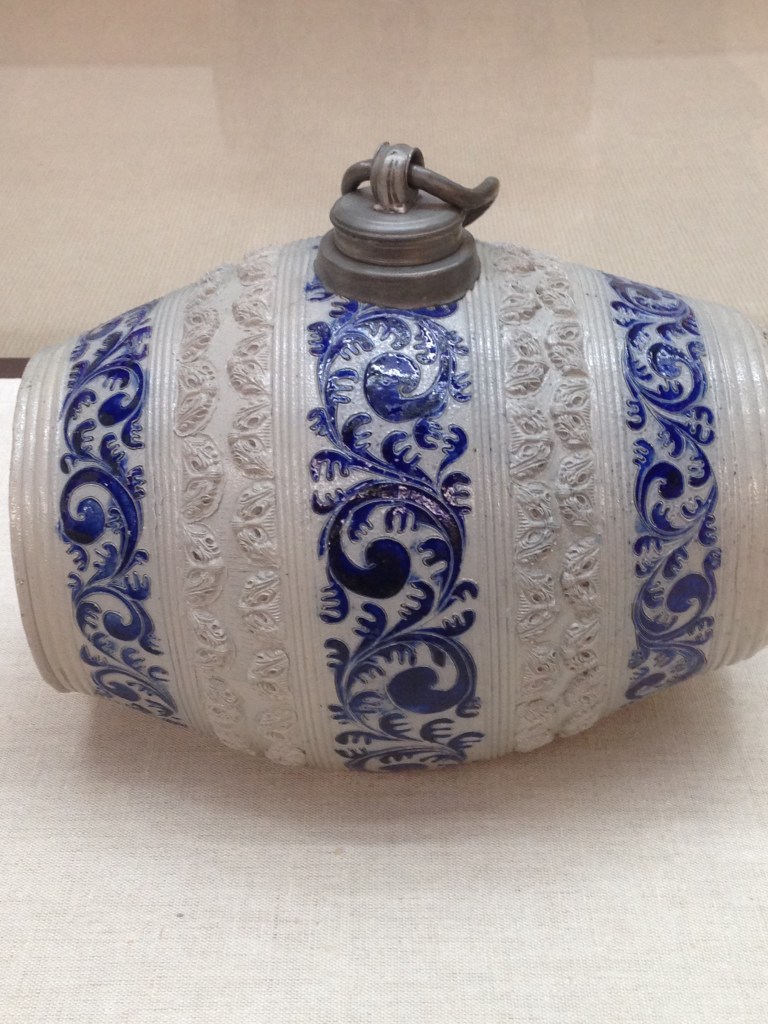

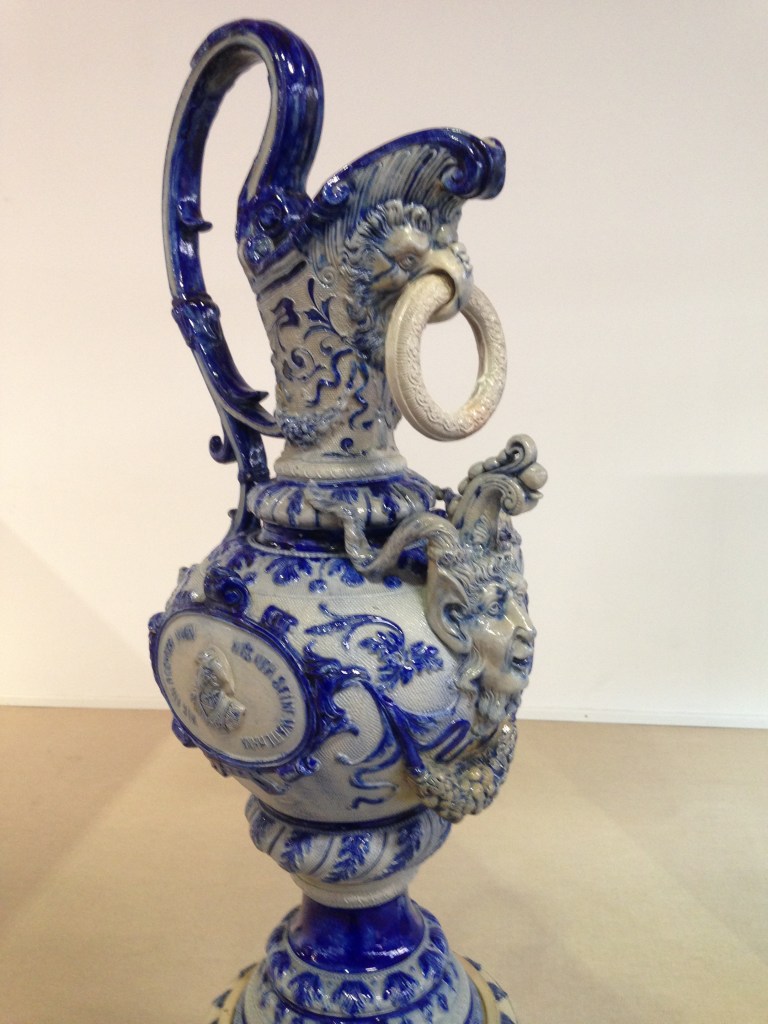
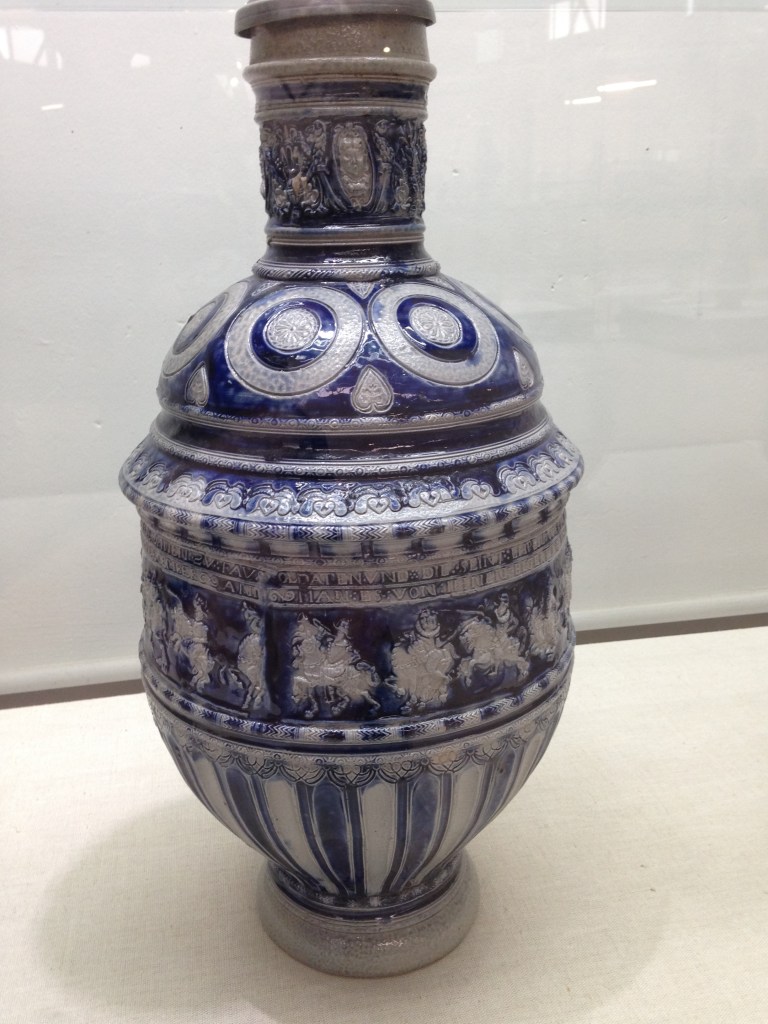
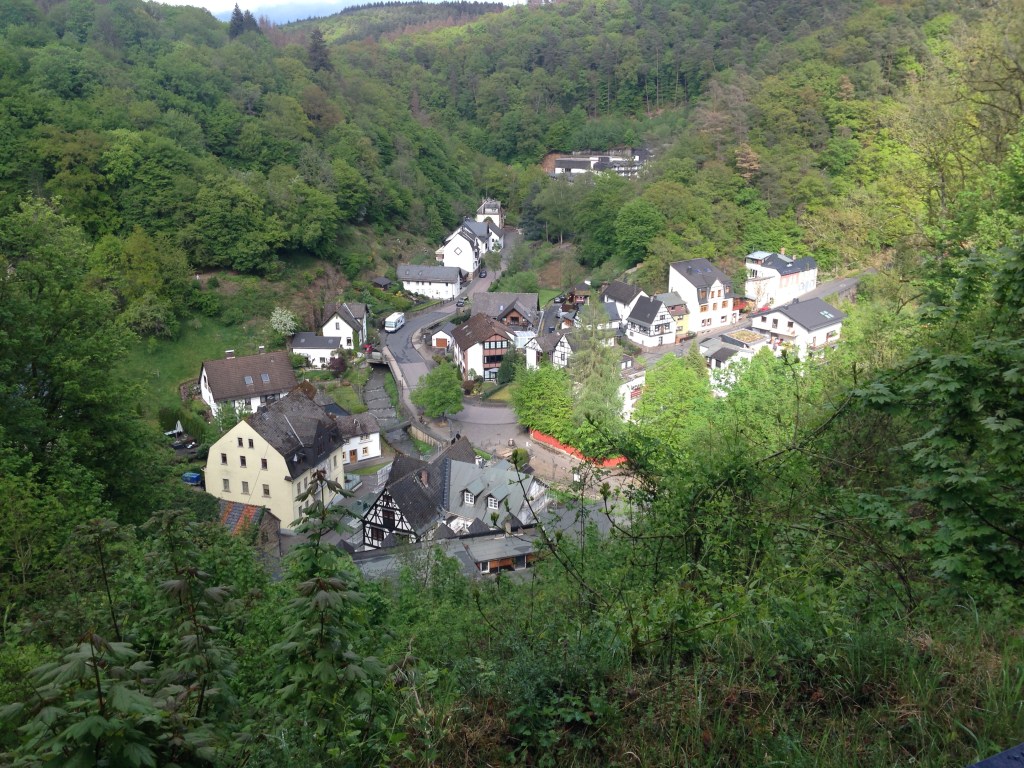
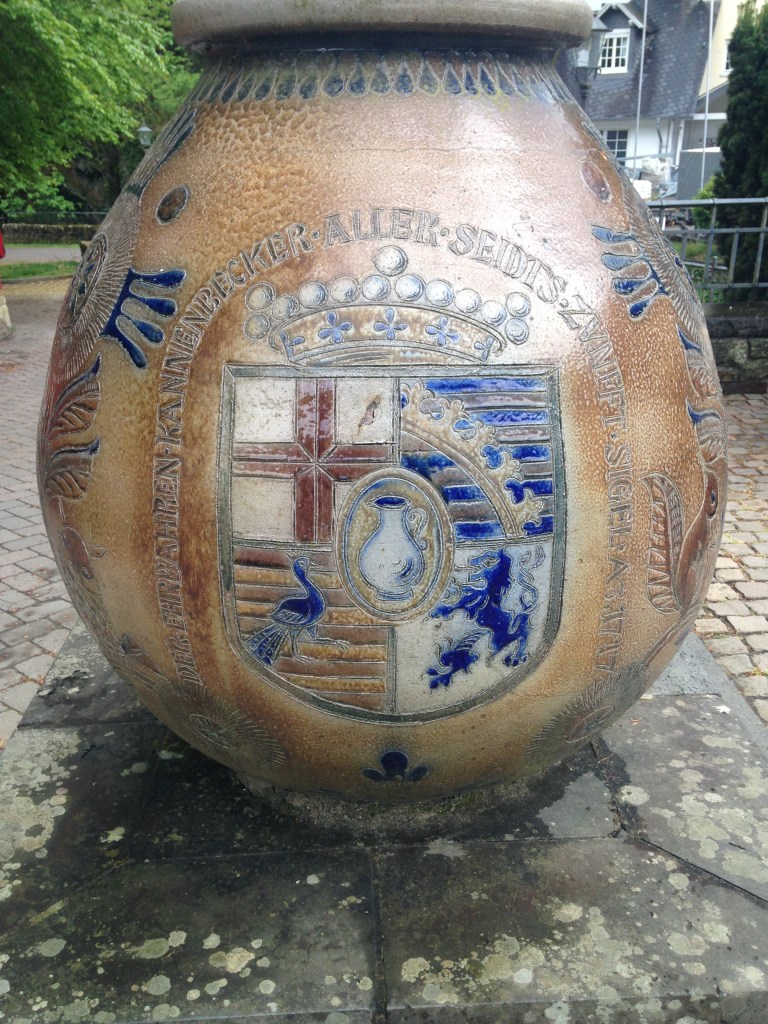
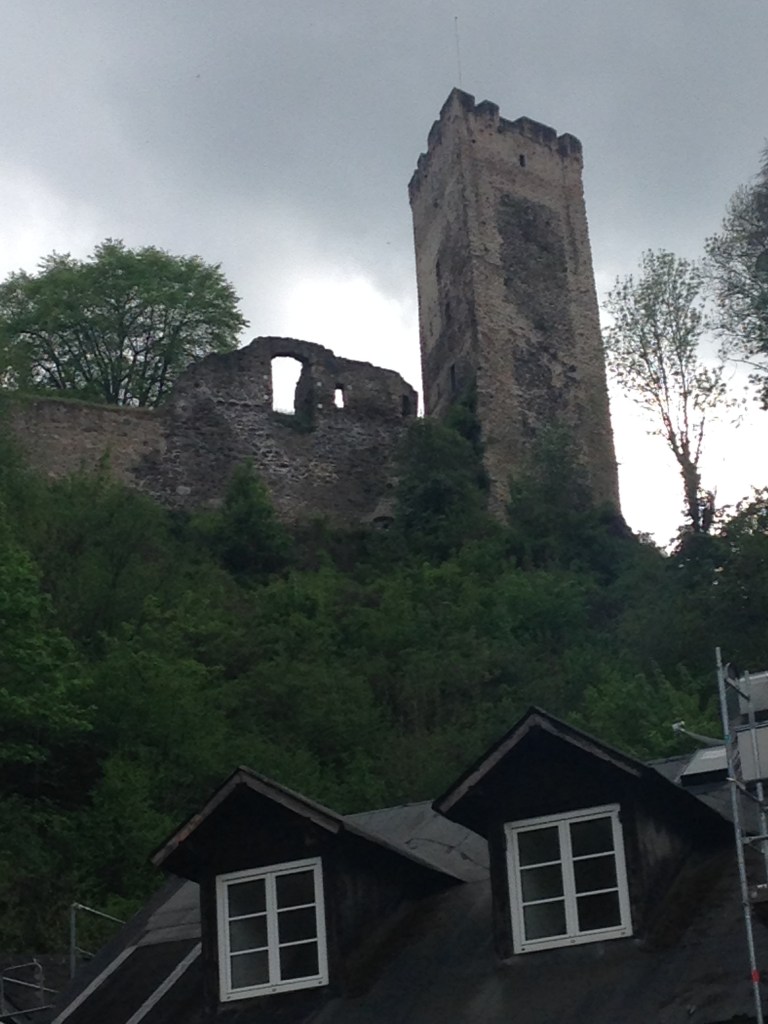
The village Hilgert, in which the story is set, has grown into a small town over the centuries, but Grenzau, where the market took place, is still a tiny place nestled into a valley overlooked by the ruins of the Isenburg. The triangular tower is one of its kind in Germany. The middle picture shows the coat of arms of the potter’s guild on a huge clay pot in the town center of Grenzau.
 Annette Spratte